The Williams family of Johnson County, Kentucky
The Williams family of Oil Springs, Johnson County, Kentucky, is a Melungeon family of the Big Sandy country of eastern Kentucky.
The Williams family of Oil Springs
The Williams family of Oil Springs, Johnson County, Kentucky, is a Melungeon family. A founder of Appalachian Melungeon Heritage Institute, Bryan Moulton, traces one of his own family lines to this family. Melungeon history comes from this part of eastern Kentucky.
DNA testing by Minnie Turner Williams’s grandson and great-granddaughter, Bryan Moulton’s grandfather and mother, matches the Melungeon Core DNA Project at Family Tree DNA.
Minnie Turner Williams
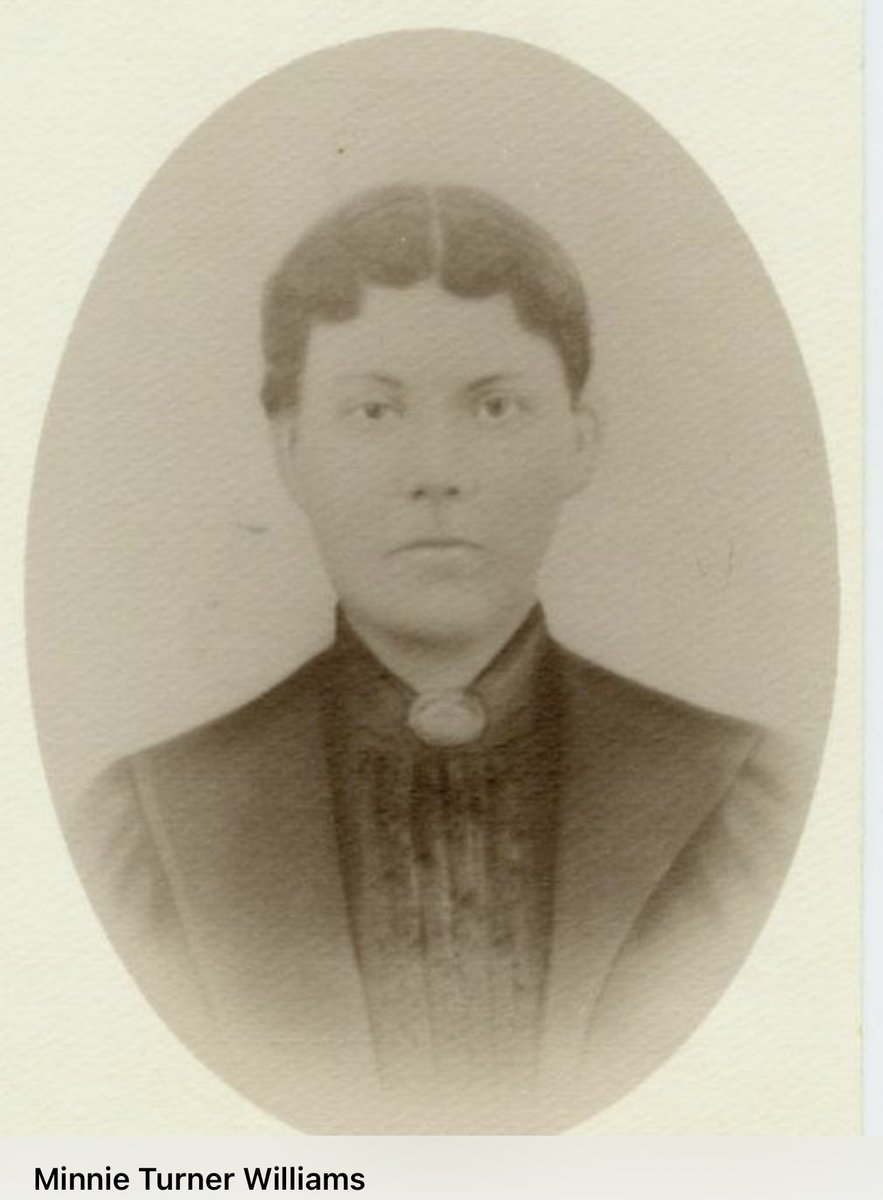
Minnie Turner, later Williams, lived at Oil Springs, Johnson County, Kentucky. She is one named person in this family line.
- Birth: 23 October 1879, Kentucky
- Death: 30 December 1911, Low Gap, Johnson County, Kentucky
- Burial: 31 December 1911, Kenwood, Johnson County, Kentucky
- Place: Oil Springs, Johnson County, Kentucky. She died at Low Gap, Johnson County, and was buried at Kenwood.
Source: FamilySearch Family Tree, LWYG-QZ6.
Johnson County lies in the Big Sandy River region of eastern Kentucky. The county was created on February 24, 1843, from parts of Lawrence, Floyd and Morgan Counties, with Paintsville as the county seat.
Historical sources
Williams as a Melungeon surname
Williams is among the surnames that historical sources connect to the Melungeon community of Hawkins and Hancock Counties, Tennessee, and nearby southwest Virginia. In a peer-reviewed DNA and records study, Roberta Estes, Jack Goins, Penny Ferguson and Janet Lewis Crain included Williams among the core Melungeon surnames they studied. Their Table 7 lists the Williams paternal line they reported as haplogroup R1b1b2, with earliest records in Louisa County, Virginia. A note to that table says there were two separate DNA groups and that more participants were needed to clarify them. In the Hawkins and Hancock County census tables in the same paper, Williams households appear mostly as white, with at least one household listed as free persons of color in 1830 and a mixed white and mulatto listing in 1870. The study also names earlier writers who included Williams among local Melungeon or “Indian” families: C. F. Humble in 1897, and Hancock County attorney and historian Lewis Jarvis, who wrote that he personally knew “many of the Goodmans, Moores, Williams and Sullivans” among the people called Melungeon.
Williams families of Oil Springs and Johnson County
William C. Kozee’s compiled genealogy Early Families of Eastern and Southeastern Kentucky and Their Descendants has a chapter titled “Williams Family of the Oil Springs Vicinity, Johnson County,” beginning at page 843, along with related sketches of Williams families of Johnson County and of the Mud Lick vicinity.
Johnson County and the Big Sandy region
The Notable Kentucky African Americans Database, drawing on the 1850–1870 census, reports that in 1860 Johnson County had 19 free people listed as mulatto, most with the surnames Dale or Spencer, along with two Blantons and one Collins; in 1870 it reports 14 people listed as Black and 28 as mulatto, most with the surnames Right and Spencer.
Genealogical researchers have written about Collins families in Johnson County, including descendants of Valentine Collins, a line with roots in Hawkins County, Tennessee, and later census listings of some family members as mulatto. Some writers have discussed Melungeon connections for those Collins lines.
A conference paper by John Kessler and Donald Ball, presented in 2000 and later posted by the Melungeon Heritage Association, stated that Melungeon people were “broadly dispersed throughout many Appalachian counties” and that “within Kentucky, their numbers reside in Lawrence, Johnson, Magoffin, Floyd, Pike, Knott, Perry, Letcher, Owsley, Knox, and Bell counties.”
Wikipedia’s Melungeon article names Kentucky among the states with a significant population.
Further research
Useful next steps, once names and dates are in hand, include:
- Work backward one generation at a time through census, marriage, death, land and tax records in Johnson County and the counties it was formed from (Lawrence, Floyd and Morgan).
- Note how the family was described in early records, including any racial designations, and write down the source of each fact.
- Compare neighbors and in-laws from one decade to the next, including any marriages into families already discussed in Melungeon or mixed-heritage research.
- Check local holdings such as the Johnson County Historical & Genealogical Society, the Johnson County Public Library’s local history collection, and cemetery surveys for the county.
- Use DNA alongside the paper trail, and only with the tester’s consent.
Related pages already on this site: Families & Surnames and Kentucky and the wider migration.
More from Johnson County: Kenwood and Low Gap, Free people of color in Johnson County, 1860, How Kentucky newspapers wrote about Melungeons, and Who were Minnie Turner’s parents?.